
Pool Chemistry · 13 min read
How to Lower High Chlorine in a Pool Safely
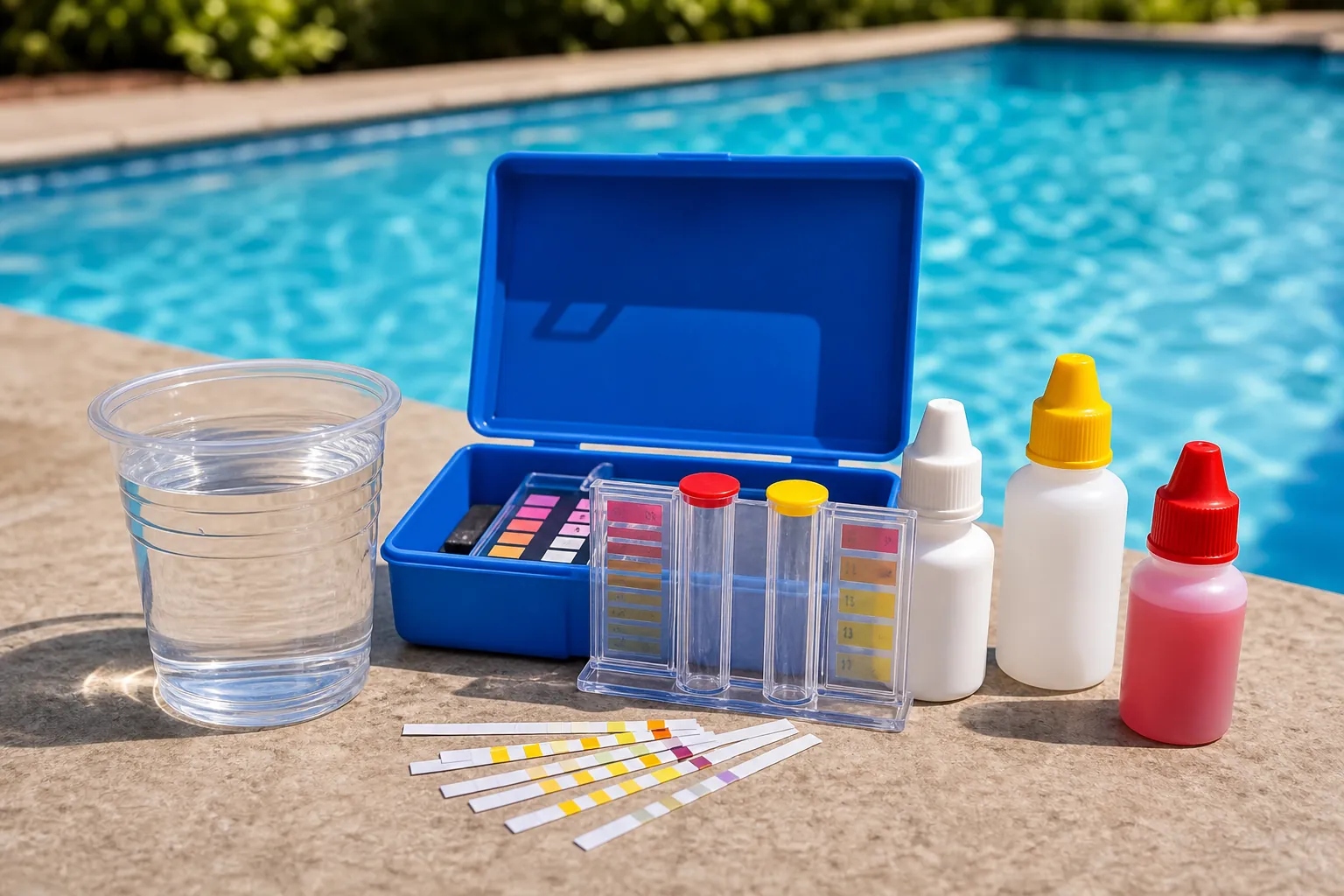
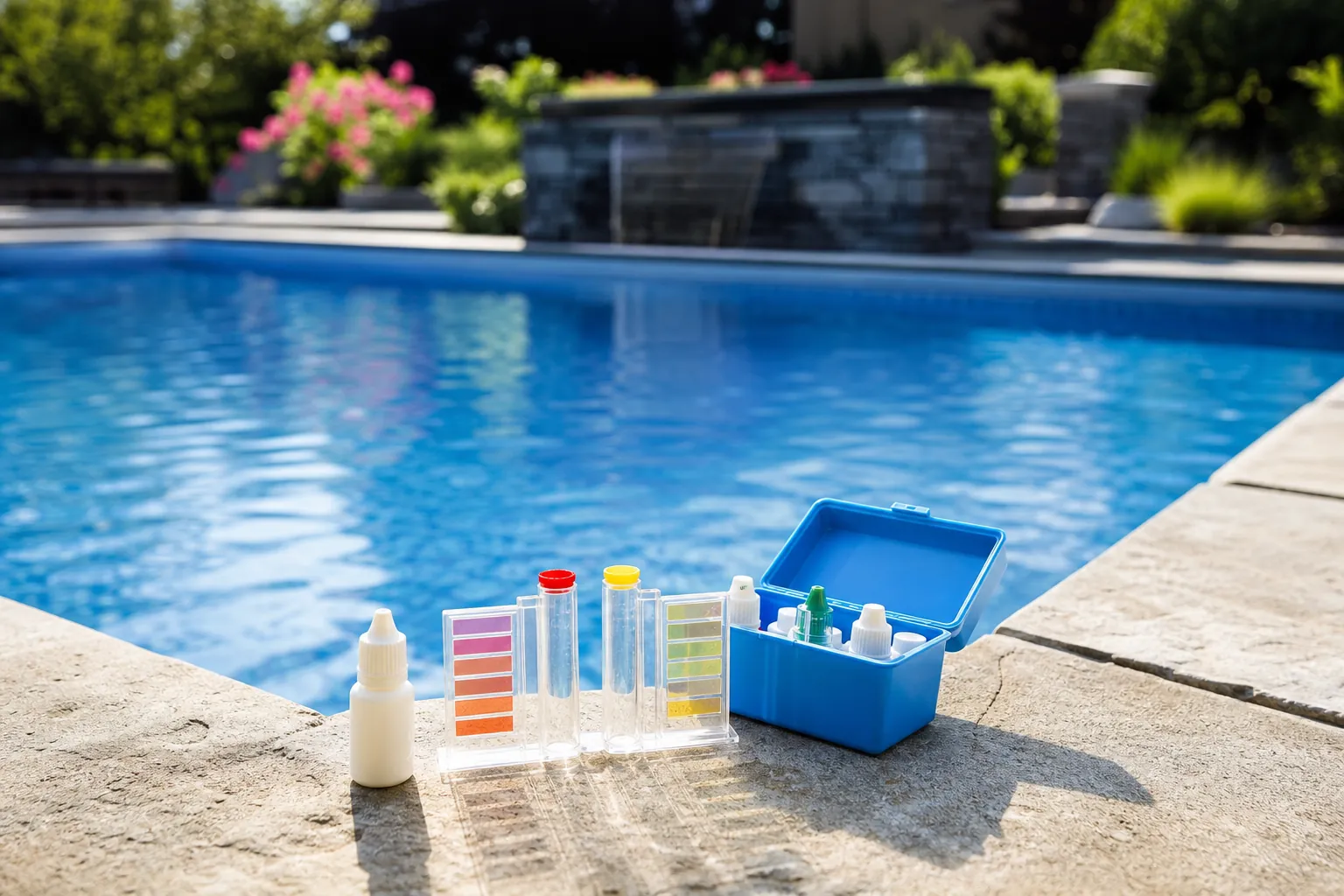
High chlorine in your pool? Learn how to stop the chlorine source, retest, let levels fall safely, and decide when dilution or a neutralizer makes sense.
Read ArticlePlain-English guidance on chlorine, pH, stabilizer, testing, and water balance for owners who want a simpler pool routine.
Pool Chemistry · 13 min read
High chlorine in your pool? Learn how to stop the chlorine source, retest, let levels fall safely, and decide when dilution or a neutralizer makes sense.
Read Article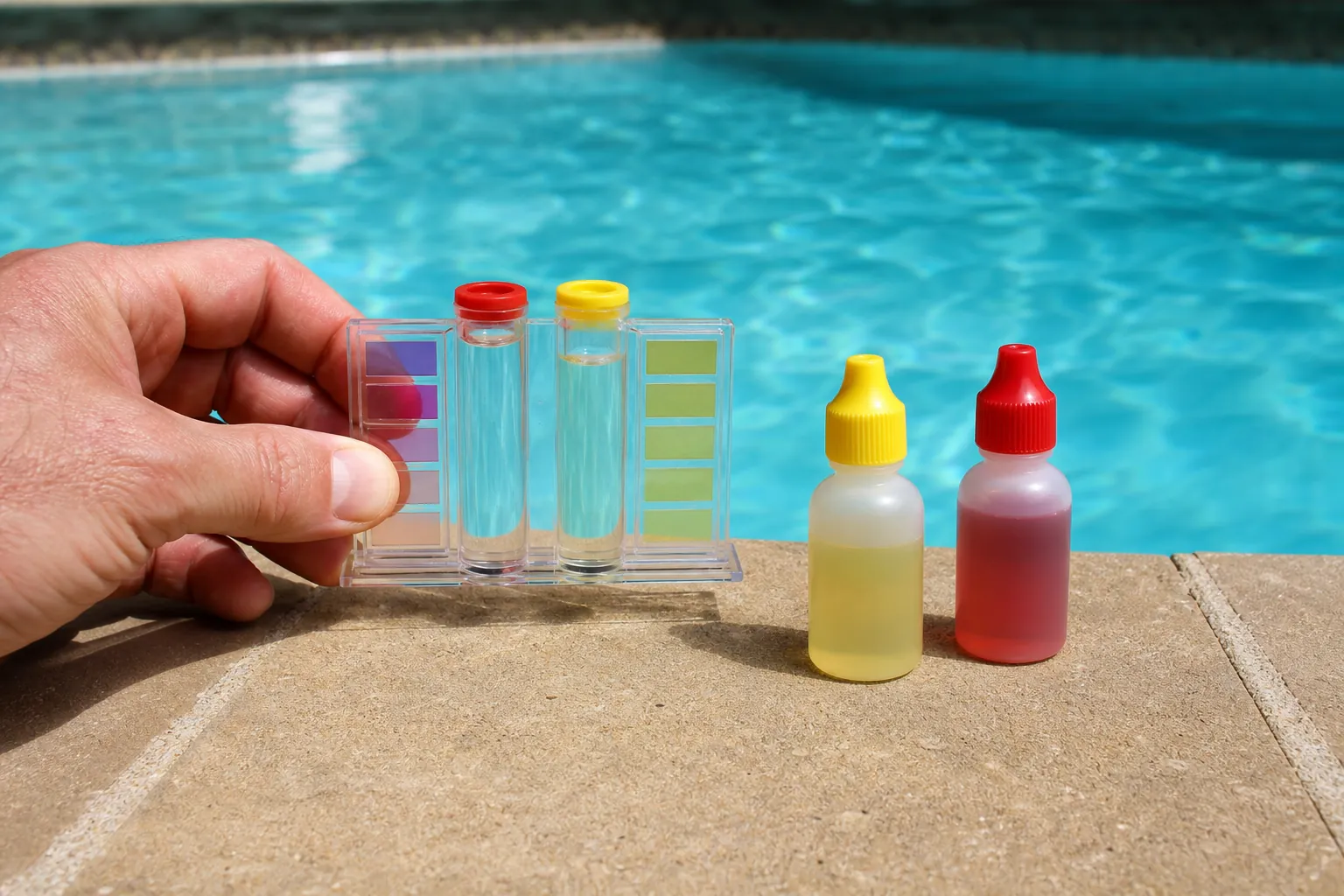
Pool Chemistry · 11 min read
Learn what free chlorine means, how it differs from total and combined chlorine, how to test it, and what pool readings tell you.
Read Article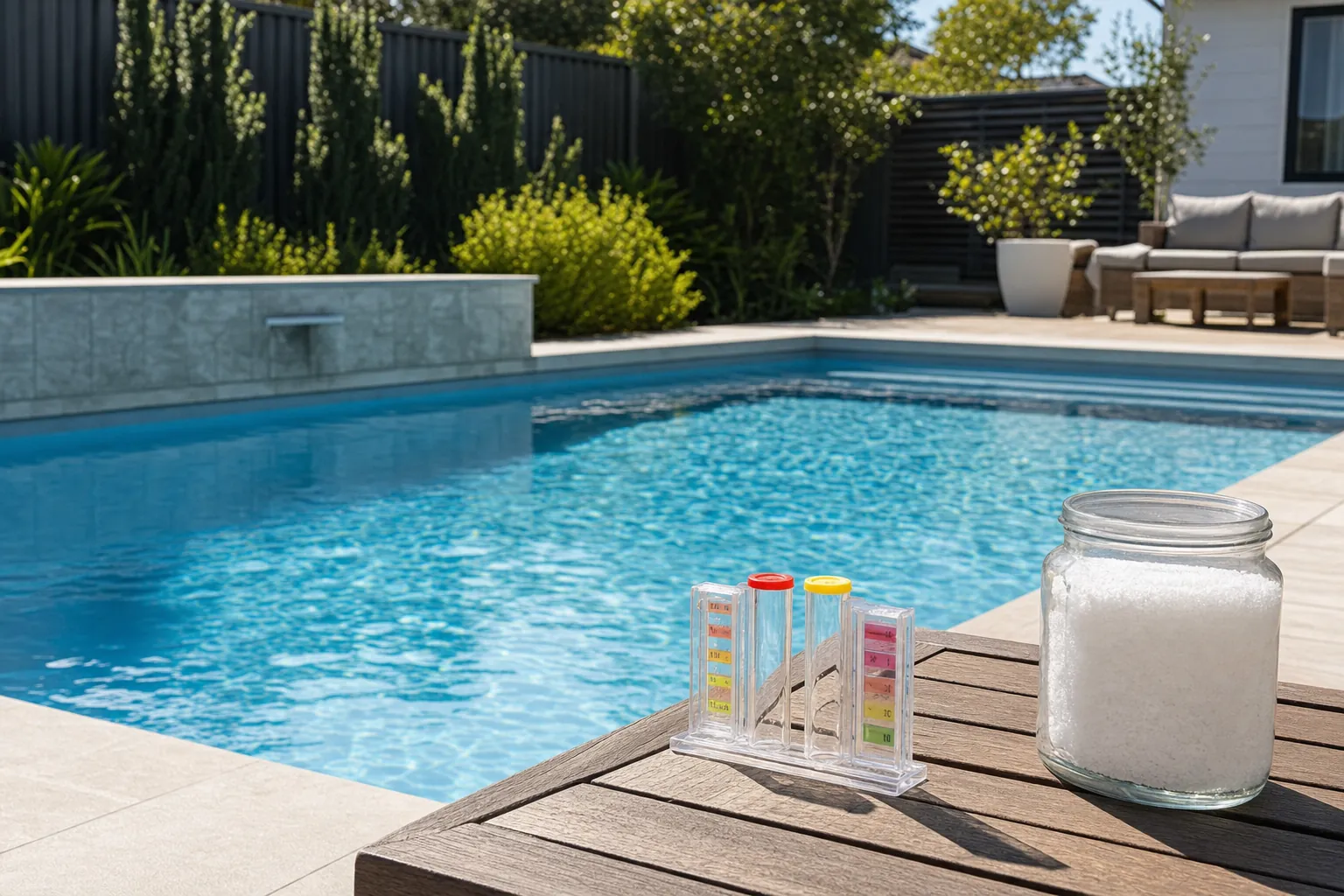
Pool Chemistry · 16 min read
Saltwater pools still use chlorine. Compare the day-to-day work, equipment, water feel, and tradeoffs before choosing a pool system.
Read Article
Pool Chemistry · 13 min read
Can pool chlorine cause a rash? Learn the first steps after skin irritation, other likely causes, pool checks that matter, and when to seek medical care.
Read Article
Pool Chemistry · 16 min read
Free chlorine is ready to disinfect. Total chlorine includes free and combined chlorine. Compare both readings before deciding what your pool needs next.
Read Article
Pool Chemistry · 14 min read
A strong chlorine smell often comes from chloramines, not extra free chlorine. Test the water, check filtration and circulation, and know when to keep swimmers out.
Read Article
Pool Chemistry · 13 min read
Low total alkalinity can make pH hard to control. Learn how to confirm the result, add an alkalinity increaser carefully, circulate the water, and retest before making another change.
Read Article
Pool Chemistry · 14 min read
A high pH reading does not need a panic dose. Learn how to confirm the test, use a pool-specific pH reducer carefully, circulate, and retest before making a second adjustment.
Read Article
Pool Chemistry · 13 min read
A low pool pH reading calls for a measured correction. Confirm the test, check alkalinity, use a pool-specific increaser, circulate, and retest before adding more.
Read Article
Pool Chemistry · 14 min read
High total alkalinity can make pH difficult to adjust. Learn how to confirm the result, lower alkalinity carefully, circulate the water, and retest without overcorrecting.
Read Article
Pool Chemistry · 12 min read
High alkalinity is usually a water-balance issue, not an emergency. Learn what it affects, what to check first, and when to pause pool use.
Read Article
Pool Chemistry · 12 min read
High cyanuric acid can make chlorine harder to manage. Learn what to test, when dilution makes sense, and how to avoid adding another problem.
Read Article