A chlorine rash is usually what people call itchy, red, dry, or burning skin after swimming. Pool water or chloramines can contribute, but dry skin, sunscreen, friction from a suit, heat, a poorly maintained hot tub, or something unrelated to the pool can cause a similar reaction. Get out of the water, rinse with fresh water, and do not keep swimming until you understand what is happening.
For most families, the question is practical: was this a one-off irritation after a long pool day, or does the same uncomfortable reaction keep happening? A one-time reaction can come from sun, sweat, a new lotion, or a busy afternoon in the water. Repeated irritation after the same pool, especially alongside harsh odor, burning eyes, coughing, cloudy water, or test readings that are hard to manage, deserves a closer look at the water-care routine.
This guide explains what people usually mean by a pool chlorine rash, the basic pool checks that make sense, what to do for skin comfort after swimming, and the signs that call for a medical professional rather than another pool product. It is not a diagnosis. It is a calmer way to sort out the next useful step.
What to do if you get a rash after swimming
Leave the pool, rinse the affected skin with clean, fresh water, pat it dry, and change out of wet swimwear. Keep the skin-care response simple. A plain fragrance-free moisturizer can help when dryness is part of the problem, but avoid trying a strong new cream, scrub, or home remedy while the skin is irritated.
Pause swimming while you watch the reaction. If the rash is painful, spreading, blistering, severe, recurring, or paired with fever, signs of infection, trouble breathing, swelling of the face or throat, faintness, or rapidly worsening symptoms, seek medical care. If several people react after using the same water, stop using the pool or hot tub until the water and equipment have been checked.
After the immediate skin response, test free chlorine and pH, look for cloudy water or a sharp chemical odor, and check that circulation and filtration are working normally. Do not add or remove pool chemicals based on a rash alone. A careful test and the recent pool history are more useful than guessing from one symptom.
First: a pool rash is not always a chlorine rash
The phrase "chlorine rash" is common, but it can hide several different problems. Chlorinated water and the compounds formed in it can irritate skin, especially after long exposure or when skin is already dry or sensitive. The CDC notes that chloramines can contribute to skin irritation and rashes, along with red itchy eyes and respiratory irritation. Chloramines form when chlorine reacts with body waste, sweat, dirt, skin cells, and personal-care products in the water. CDC guidance on chloramines and pool irritation
But the timing and appearance matter. A rash that appears after time in a hot tub, especially as itchy bumps or pus-filled spots under a swimsuit, can point to a different problem called hot tub rash. The CDC explains that it can be caused by Pseudomonas aeruginosa in poorly maintained hot tubs or pools. CDC hot tub rash guidance is a better starting point for that pattern than assuming chlorine itself is the cause.
Freshwater and saltwater swims can bring their own causes, too. Swimmer's itch, for example, is associated with parasites in certain lakes, ponds, and coastal water, not well-maintained swimming pools. The point is not to make every skin reaction mysterious. It is to avoid treating every rash as proof that a pool needs more or less chlorine when the real cause could be somewhere else.
What to do right after skin irritation
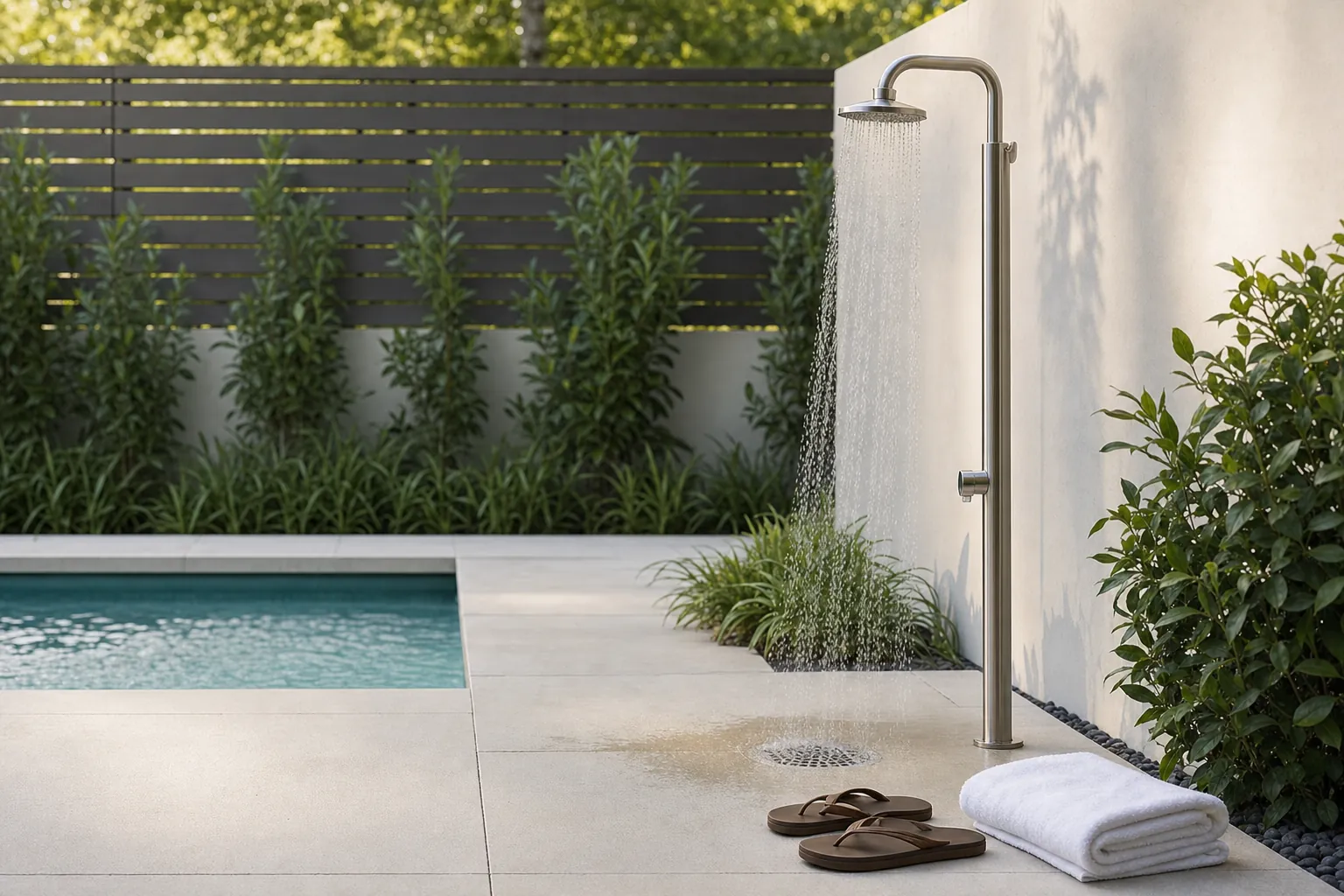
Get out of the water and rinse with clean, fresh water. A quick shower removes pool water, sweat, sunscreen residue, and anything else sitting on the skin. Pat dry instead of rubbing hard, then use a plain fragrance-free moisturizer if dry skin is part of the pattern. Put on clean, dry clothes rather than staying in a wet swimsuit for the rest of the day.
Avoid the reflex to keep swimming just because the water looks clear. If your skin is burning, itching intensely, or developing a rash, the useful move is to stop exposure and observe what happens after a rinse. Take a clear photo for your own record if the reaction is visible. That makes it easier to see whether it is improving and gives a clinician better context if you need one.
Do not use a strong new cream, scrub, or home chemical remedy just because someone online called it a chlorine fix. When skin is irritated, extra fragrance and aggressive products can make the situation harder to read. Keep the response simple: fresh water, gentle skin care, and no further exposure until you understand the pattern.
When a rash needs medical attention
Pool water is only one possible part of a skin reaction, so give medical symptoms the right priority. Contact a healthcare professional if the rash is severe, painful, spreading, blistering, recurring, or accompanied by fever or signs of infection. Get urgent help for trouble breathing, swelling of the face or throat, faintness, or a rapidly worsening reaction.
Children, people with eczema or other chronic skin conditions, and anyone with a history of serious allergic reactions may need more individualized advice. A pool owner can check water chemistry and equipment. A pool owner cannot reliably diagnose a skin condition from a test strip. Keeping that boundary clear is what makes the rest of the troubleshooting useful.
If several swimmers are reacting after using the same water, stop using the pool or hot tub until the cause is understood. That is not the moment to mask the problem with fragrance, shock on a hunch, or a new bottle of chemicals. It is the moment to test the water carefully and get qualified help when the situation is unclear.
Check the pool before blaming chlorine
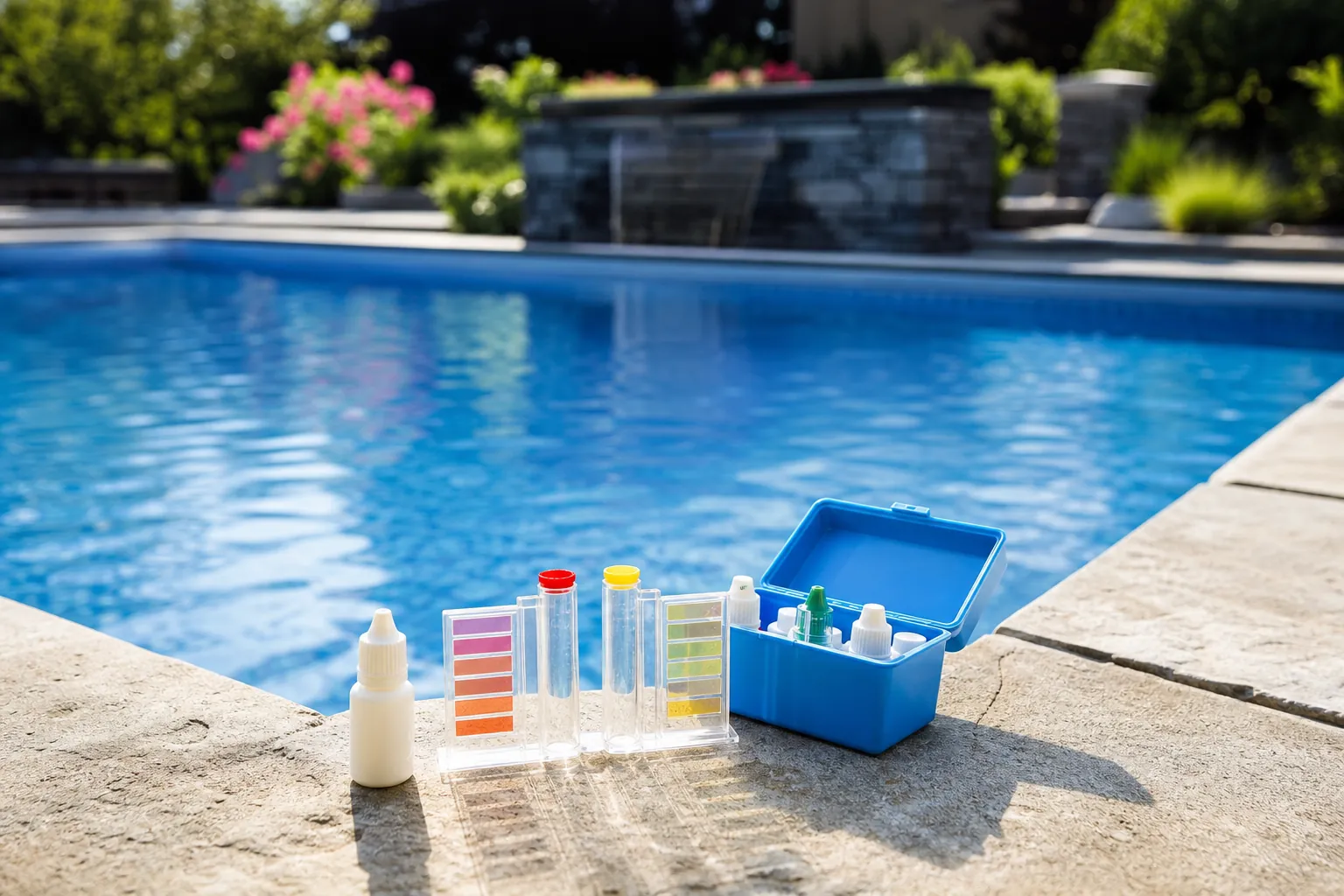
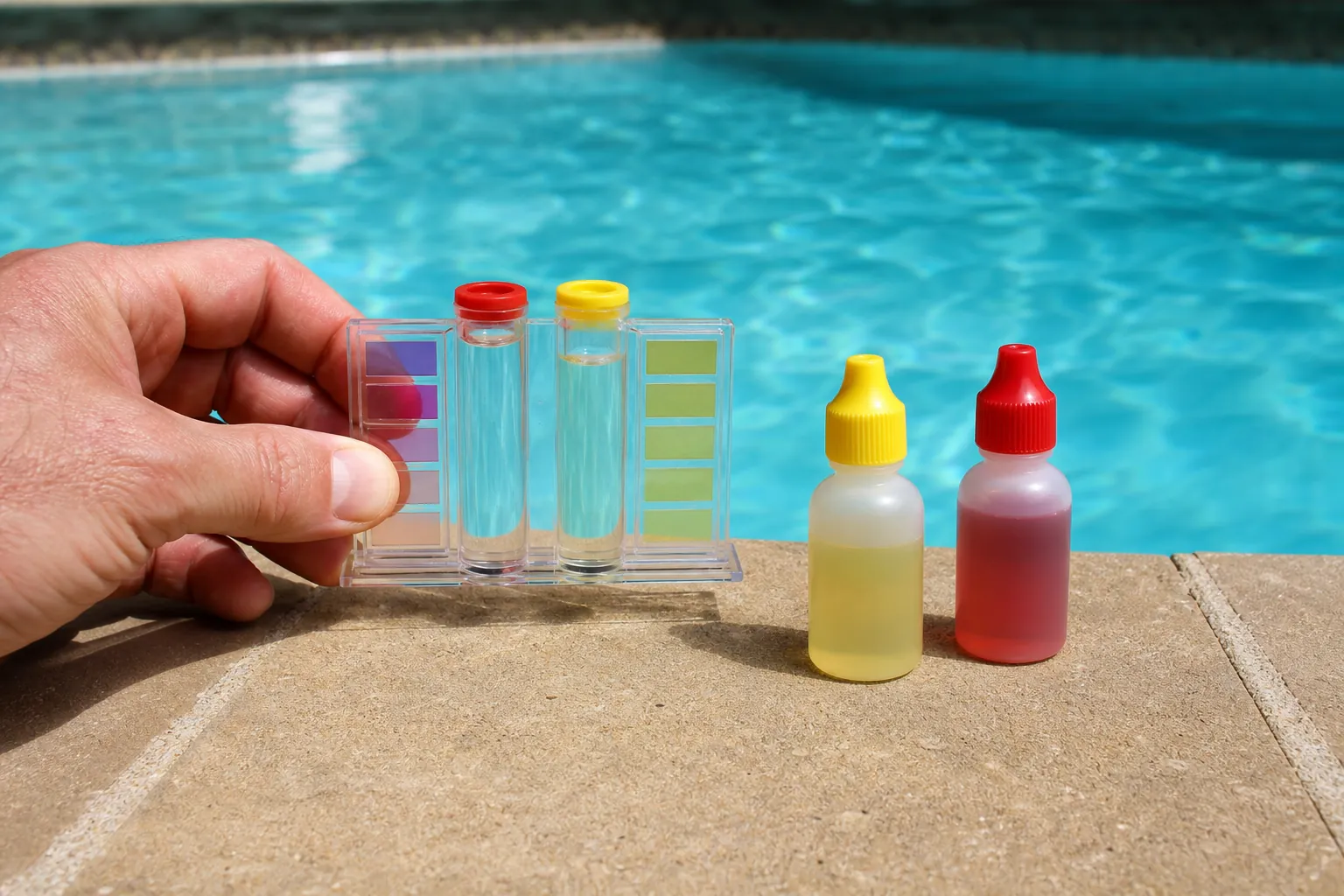
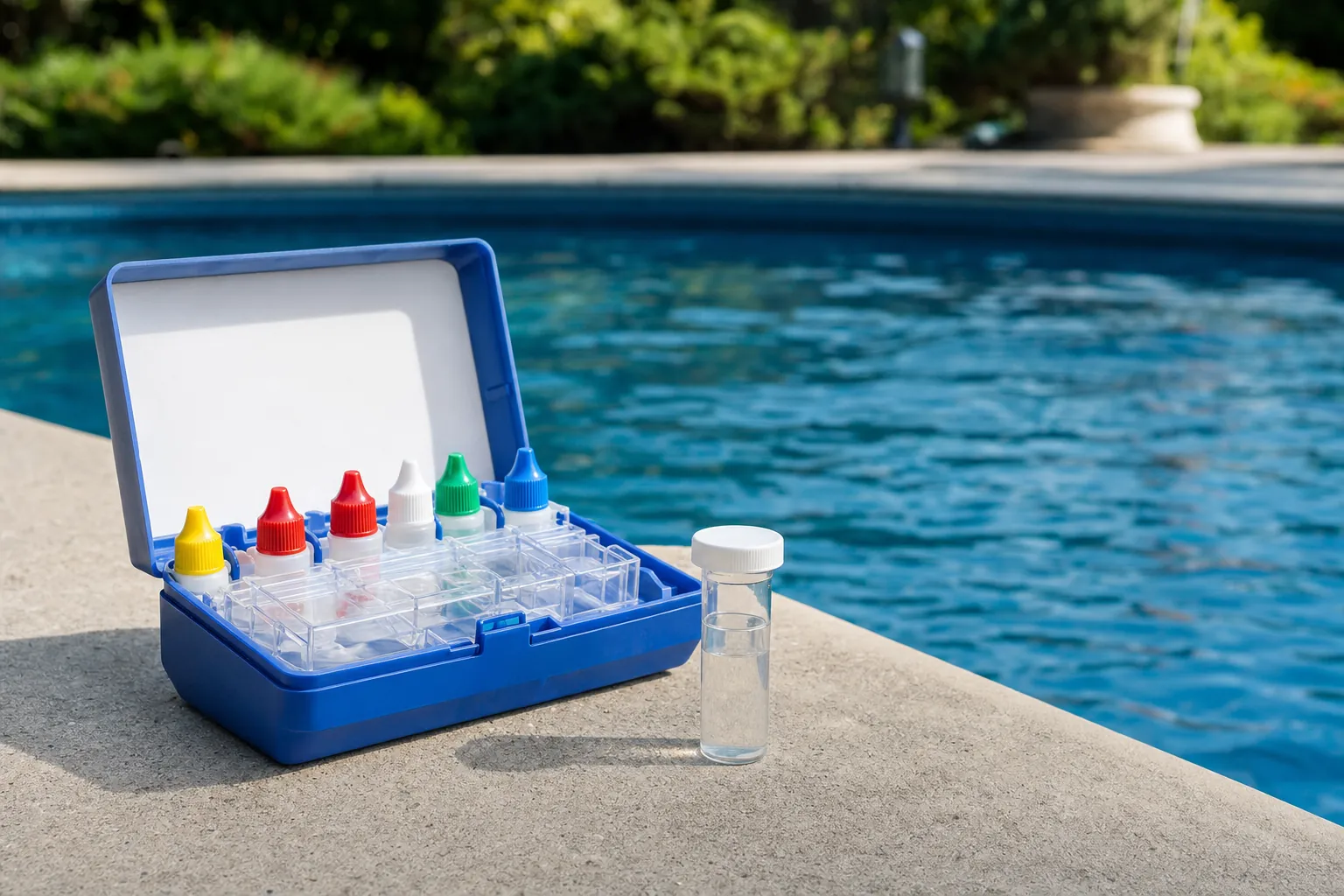
Once everyone is out of the water, test the basics. At a minimum, check free chlorine and pH with a reliable kit, then look at the water itself. Is it clear? Does it have a sharp chemical odor? Is the filter pressure normal? Has the pool recently had heavy use, a storm, a long period under a cover, or an equipment problem? Those details usually explain more than the label on the sanitizer.
The CDC recommends that home pool owners routinely test chlorine and pH. Its current guidance lists a pH range of 7.0 to 7.8 and explains that pools using cyanuric acid stabilizer need a higher free-chlorine minimum than pools without it. CDC home pool testing guidance is a practical reference when you need to reset the basics before changing anything else.
A strong "chlorine" smell is not a sign that the pool is extra clean. It can be a sign of chloramines, the combined-chlorine compounds that form after chlorine reacts with contaminants. Check the difference between free and total chlorine rather than guessing from the smell. Aquastaser's free chlorine guide explains what those readings mean and why a single number rarely tells the whole story.
Test from elbow depth, away from the skimmer and return jets, and follow the timing on the kit exactly. Old test strips, sun-damaged reagents, and a sample taken immediately after adding chemicals can send you chasing the wrong problem. If a reading looks surprising, test again before making a large correction. One careful retest is cheaper and safer than stacking products into water that was not actually out of balance.

The pool factors most likely to make skin feel worse
High or low pH can make pool water feel uncomfortable, and it can change how chlorine performs. A test result that looks acceptable in isolation may not explain why the water feels harsh if pH, combined chlorine, filtration, and circulation are all being ignored. This is why a pool needs a complete check rather than a single corrective dose.
Poor circulation and a dirty filter can create uneven water conditions. Water that is not moving properly through the skimmer, pump, filter, and returns does not get treated consistently. Debris and swimmer waste can linger longer, and the pool owner can end up adding more product to fix a problem that is really mechanical. The pool circulation guide shows how suction, filtration, and return flow fit together.
Heavy swimmer load matters, especially in warm weather. Sunscreen, sweat, body oils, cosmetics, leaves, and a long afternoon of pool games all increase the work the water has to do. Showering before swimming helps reduce what gets carried into the pool. It is a small habit, but it can reduce the conditions that lead to chloramines and irritation.
A hot tub deserves separate caution. Warm water, long soaking time, and poor maintenance can create a different exposure pattern than a backyard pool. If the rash shows up after a hot tub, under a swimsuit, or a day or two after soaking, do not assume a regular pool adjustment will solve it. Follow the CDC's hot-tub guidance and speak with a clinician if it is worsening or recurring.
Look at recent maintenance, too. A newly opened pool, a pool that was recently shocked, a feeder set too high, or a salt cell running longer than the pool needs can change the chemistry quickly. So can a long stretch of rain, heat, and heavy use. Write down what changed before the reaction appeared. That timeline helps you distinguish a water-quality issue from a one-time skin irritation.
A simple prevention routine for sensitive skin
Before swimming, use a normal shower to remove sweat, lotion, makeup, and dirt. You do not need a complicated ritual. The goal is simply to keep less body waste and product residue from entering the water. That helps the pool and makes it easier to understand your skin if irritation does happen.
After swimming, rinse promptly, change out of wet swimwear, and moisturize if your skin gets dry. Consider a fragrance-free product if scented lotions tend to bother you. Make sure goggles, rash guards, and swimsuits are cleaned regularly, too. Fabric, detergent residue, rubber straps, and repeated rubbing can sometimes be part of the story.
For the pool itself, keep a regular log of free chlorine, pH, temperature, pump runtime, major weather events, and anything you add. That record turns vague frustration into useful evidence. If someone gets irritated again, you can compare the reaction to what happened in the water that week rather than trying to remember it months later.
Keep the routine modest enough that it actually happens. A quick test before a busy swim weekend, a filter-pressure glance, and a short note after a storm are more useful than a perfect spreadsheet abandoned after three days. Consistency gives you a clearer baseline for the pool and makes it easier to spot when the water has started drifting before it becomes uncomfortable.
If your pool keeps causing irritation, look for the pattern
Repeated skin discomfort is a reason to examine the whole maintenance routine. Is the pool constantly being shocked? Are tablets or a feeder continuing to add chlorine after the water no longer needs it? Is the pool covered for long stretches? Does the filter need cleaning? Are free chlorine and pH checked only after someone complains? A pattern of corrections often points to a system that is being managed reactively instead of predictably.
If the immediate issue is a high chlorine reading, start with Aquastaser's guide to lowering chlorine in pool water safely. It covers retesting, stopping the chlorine feed, using time and sunlight when appropriate, and why a neutralizer is not a casual first move. The goal is balanced water, not the largest possible chlorine number.
Saltwater is not automatically the answer to irritation either. Saltwater pools still generate chlorine, so they still need testing, pH management, circulation, and equipment care. The saltwater versus chlorine comparison explains the difference between changing the way chlorine is delivered and leaving the chlorine routine behind.
Where Aquastaser fits
Aquastaser is for pool owners who are not simply trying to adjust one chlorine reading. It is built for families who want a chlorine-free approach to day-to-day pool care. The system uses hydrodynamic cavitation after filtration, so it depends on healthy circulation, functional plumbing, and a real fit check for the pool you own.
That distinction matters. Aquastaser is not medical treatment for a rash, and it is not an emergency fix for contaminated or poorly maintained water. Bring any active water problem back under control first. Then decide whether the ongoing chlorine routine is still the routine you want to live with.
For a fuller overview, see the How It Works page and the chlorine-free pool system page. If you want to talk through pool size, plumbing, circulation, and fit before ordering, Aquastaser support can help through the contact page.
The bottom line
A rash after swimming is worth paying attention to, but it is not proof that chlorine alone caused it. Rinse off, pause swimming, notice the timing and symptoms, and check the water before making a correction. Treat severe, spreading, painful, or recurring reactions as a healthcare question first.
For the pool, start with the basics: free chlorine, total chlorine, pH, circulation, filtration, swimmer load, and recent maintenance. That gives you a more useful answer than chasing a harsh smell or adding another product at random.
When the same chlorine cycle keeps creating irritation, uncertainty, and maintenance work, it may be time to consider a different approach. Aquastaser gives homeowners a path away from the ordinary chlorine routine while keeping the practical pool fundamentals in view.
Frequently asked questions
Can chlorine from a pool cause a rash?
Pool water and chloramines can irritate skin, but a rash after swimming can also have other causes such as dry skin, friction, sunscreen, a hot tub-related infection, or exposure outside the pool. Rinse off, stop swimming until the skin settles, and seek medical advice for severe, spreading, painful, or recurring symptoms.
Can pool chlorine burn your skin?
Pool water can leave skin feeling dry, itchy, red, or burning, especially when the water is poorly balanced or the skin is already sensitive. Leave the water, rinse with fresh water, and seek urgent care for trouble breathing, face or throat swelling, faintness, blistering, or rapidly worsening symptoms.
What should I do if I get a rash after swimming?
Get out of the water, rinse with fresh water, pat the skin dry, change out of wet swimwear, and avoid further exposure until you understand the reaction. Check the pool's free chlorine and pH, and contact a healthcare professional if the rash is severe, worsening, recurring, or paired with fever, pain, blisters, or signs of infection.
Is a strong chlorine smell a sign that the pool is clean?
No. A strong chemical smell can come from chloramines, which form when chlorine reacts with contaminants such as sweat, body oils, and personal-care products. Check free and total chlorine, pH, filtration, and circulation instead of treating odor as a cleanliness signal.
Can a saltwater pool cause the same skin irritation?
Yes. Saltwater pools still generate chlorine and still need balanced pH, proper filtration, circulation, and regular water testing. Many people find a well-managed saltwater pool comfortable, but the overall water condition matters more than the system label.
How can I prevent skin irritation after swimming?
Shower before and after swimming, change out of wet swimwear promptly, use simple fragrance-free skin care when dryness is a concern, and keep the pool's chlorine, pH, filtration, and circulation on a consistent maintenance schedule. If irritation keeps returning, document the pattern and speak with a healthcare professional.