
Start with the real goal
Some owners want easier chlorine delivery. Others want to leave the chlorine routine behind. Those are different decisions, so it helps to name the outcome before comparing equipment.
Aquastaser is for residential pool owners who want to move beyond chlorine tablets, liquid dosing, and salt cells without pretending the pool can run itself.
A different question
Those two goals can sound alike until you are standing beside the equipment pad. A saltwater system is designed to make chlorine from salt. A feeder makes it easier to add chlorine. Both can be sensible choices for owners who want a familiar chlorine routine with less manual dosing.
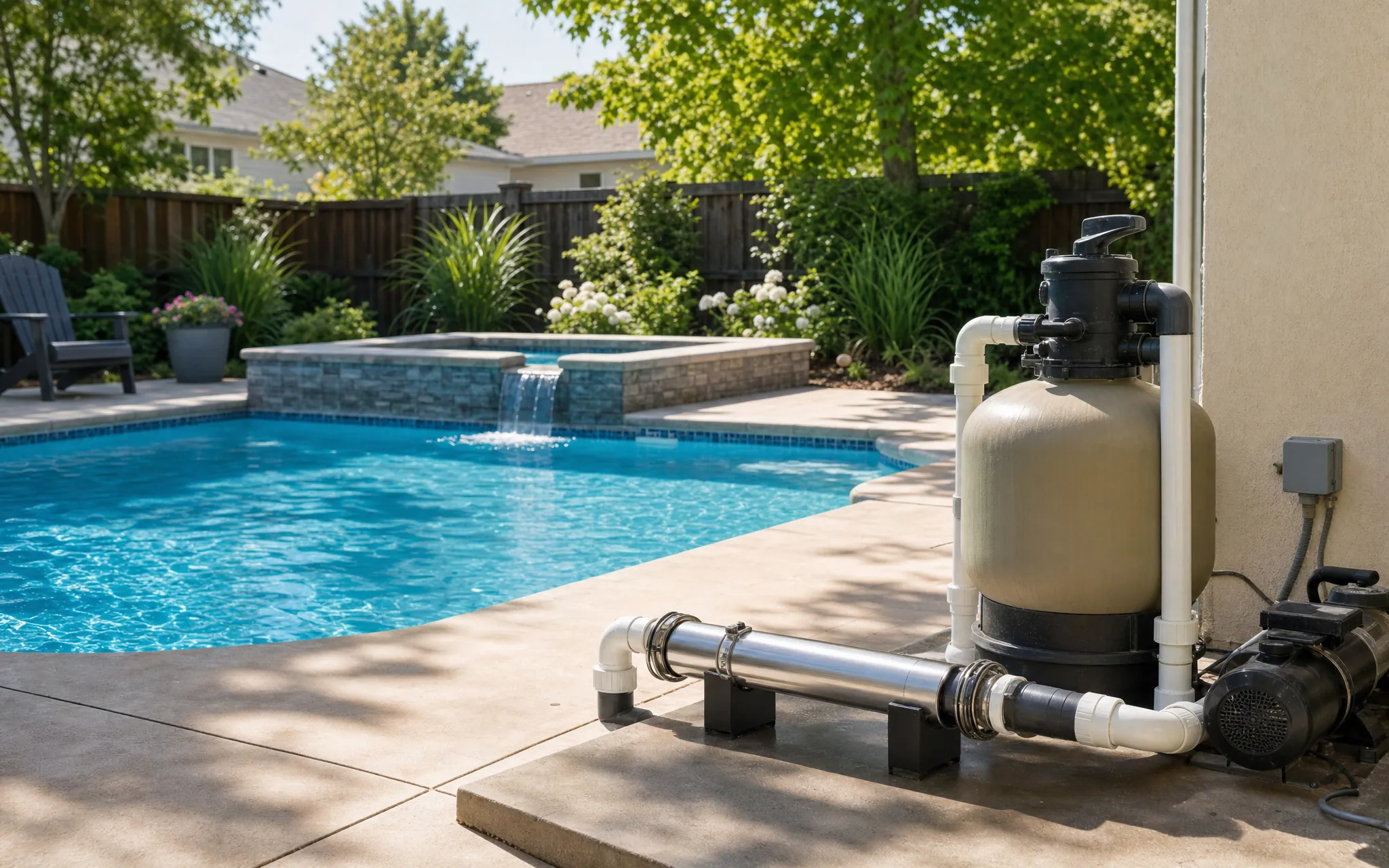
Aquastaser is for the homeowner whose frustration is the chlorine cycle itself: buying products, checking readings, making corrections, waiting to swim, then doing it again after a hot weekend or a pool party. It is a different water-treatment path, installed after filtration in the return line before water goes back to the pool.
Some owners want easier chlorine delivery. Others want to leave the chlorine routine behind. Those are different decisions, so it helps to name the outcome before comparing equipment.
A non-chlorine approach still depends on a working pump, clean filter, good return flow, regular skimming, and the ordinary care that keeps water moving well.
Pool size, return-line access, plumbing, pump flow, current water condition, and any saltwater equipment are worth discussing before the system is ordered.
What stays the same
A non-chlorine system is not a shortcut around the unglamorous parts of pool ownership. Leaves still need to be skimmed. The filter still needs attention. A struggling pump, blocked return, poor flow, or neglected water problem needs to be addressed before any new system can do its best work.
That is why the practical fit conversation matters. Aquastaser is designed to sit in the return line after filtration. Water leaves the filter, moves through the device, and returns to the pool through the jets. The placement keeps the system inside the normal circulation path rather than adding another chore at the edge of the pool.
Pool water moves through normal filtration.
Filtered water enters the Aquastaser return-line device.
Hydrodynamic cavitation treats the moving water.
Water returns through the pool jets.
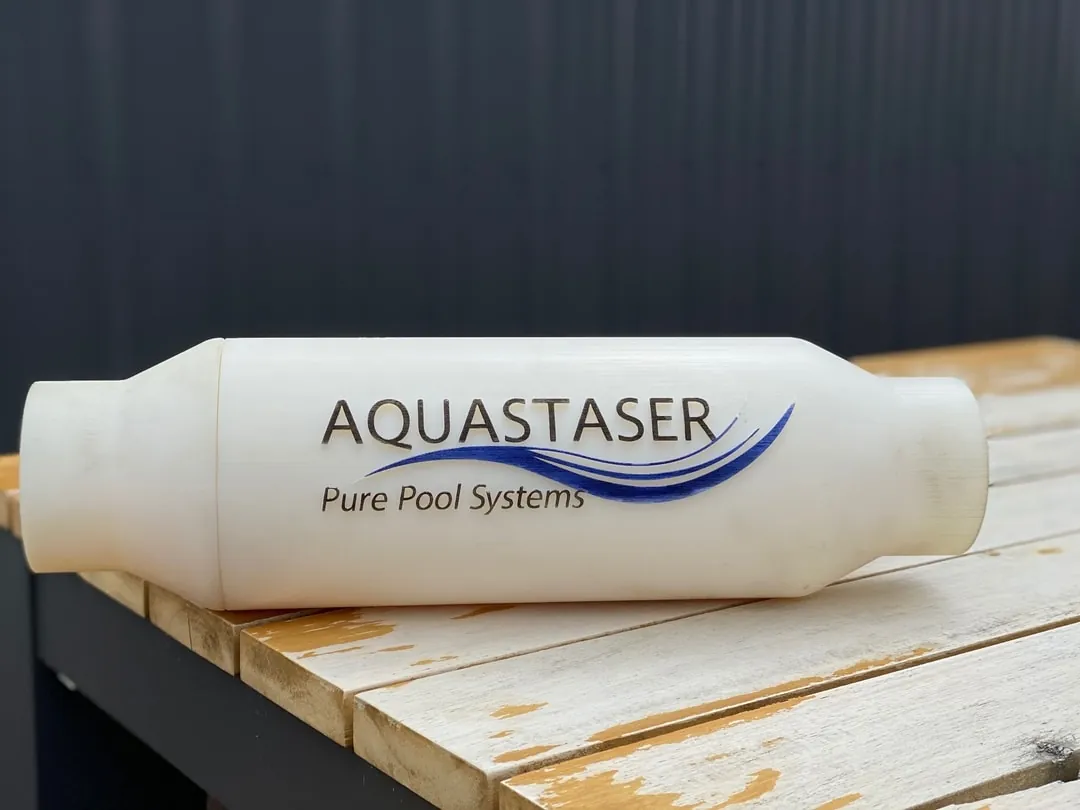
The core Aquastaser device for residential owners who want a different day-to-day water-treatment routine.
A clear comparison
Saltwater pools are often described as gentler because the system generates chlorine steadily from dissolved salt. That may be a good fit for an owner who wants chlorine production handled through equipment rather than tablets or liquid. It does not change the fact that chlorine remains part of the pool's daily treatment.
For owners who want to move away from chlorine as the center of their routine, the better comparison is not chlorine versus salt. It is a chlorine-generating approach versus a system designed around hydrodynamic cavitation after filtration. The right answer depends on the outcome you actually want, the plumbing you have, and how much ongoing chemical management you are willing to keep.
Compare Saltwater And Chlorine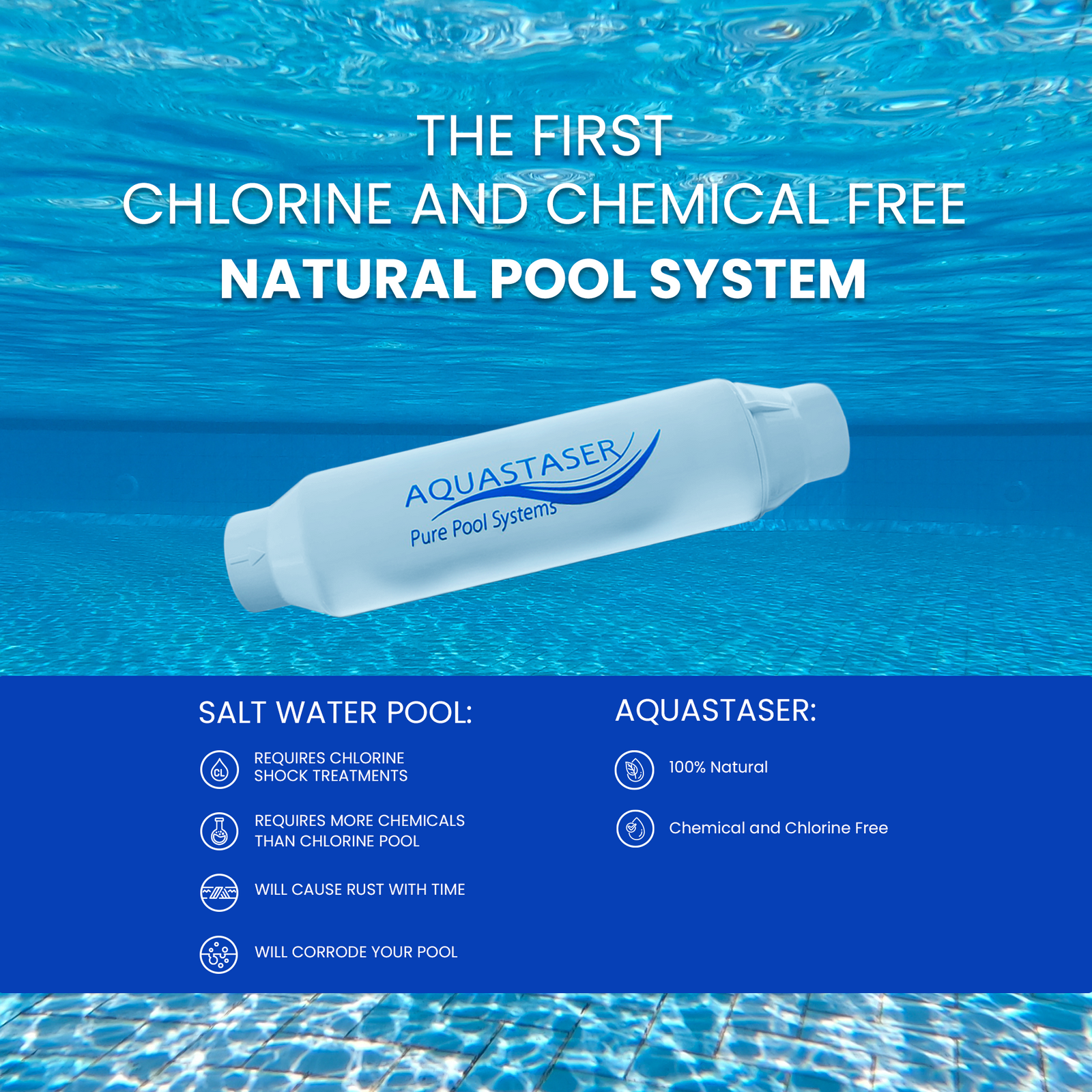
For the pool you own
This path is worth considering when you are tired of stocking chlorine, watching a feeder or salt cell, adjusting after every swing in weather or pool use, and wondering whether the next test means another trip to the pool store. It is also for families who want the comfort conversation to matter alongside water clarity.
It is not the right time to change systems when the pool has a possible contamination event, an urgent safety issue, a failing pump, broken plumbing, or water that needs professional attention before anyone swims. Get the pool stable first. Then decide whether the present routine is the one you want to keep.
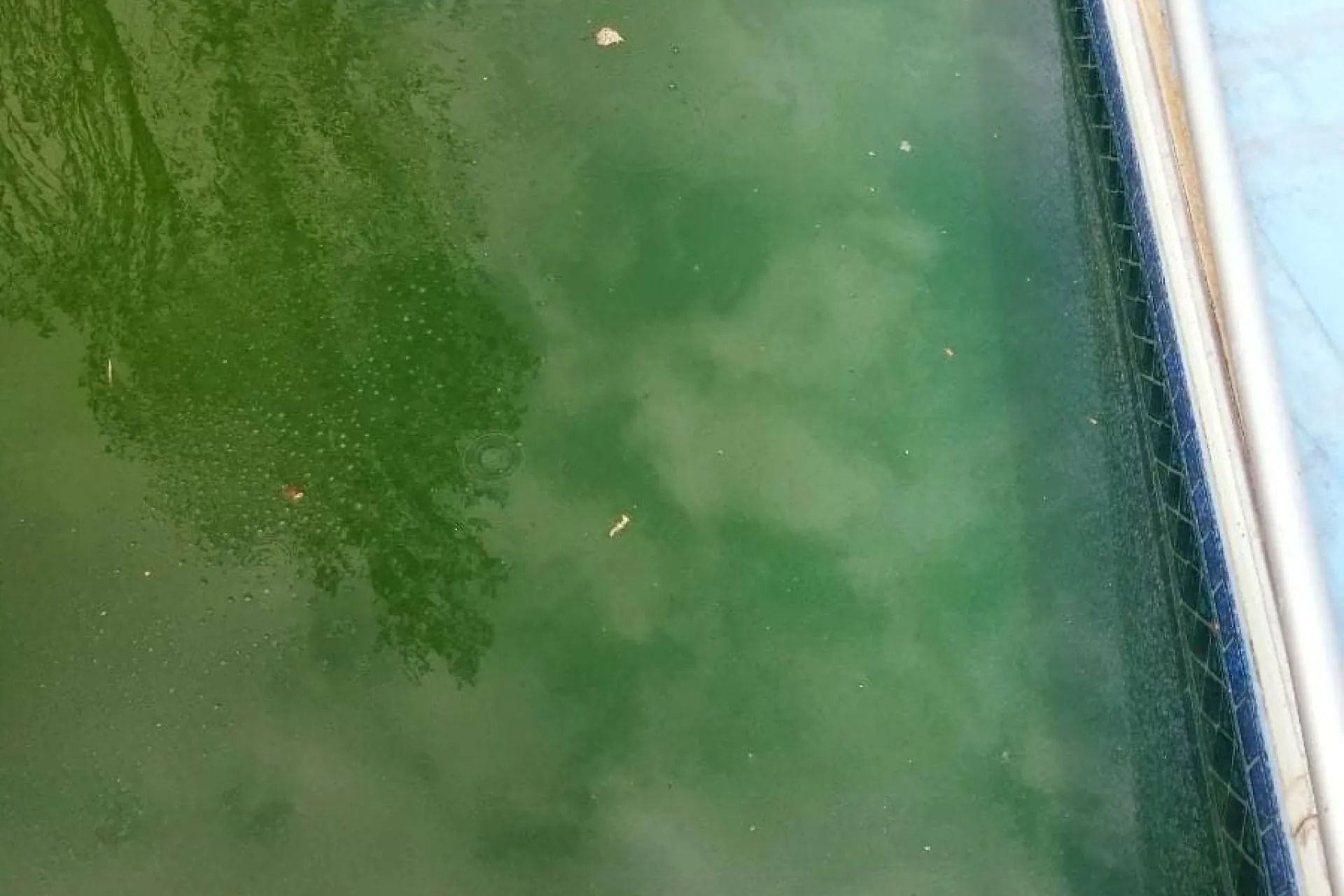
It also helps to separate a long-term system decision from a one-day maintenance problem. A high reading after shock, a week of windblown debris, or a temporary algae issue may call for ordinary pool care and a careful retest. Replacing equipment makes more sense when the repeated dosing and correction cycle is the part of ownership you no longer want to manage.
That is the promise Aquastaser is built around: a different routine, not an excuse to ignore the pool. The best result comes from a system that suits the actual equipment pad, a homeowner who understands what still needs care, and support that answers the practical questions before checkout.
What owners notice
Aquastaser owners often begin with a practical goal: less dependence on the chemical routine. Their experience points to the part that affects everyday use most, from calmer pool care to water that feels easier to enjoy with family and friends.
"When we bought our home the pool had a saltwater system. I was confused when we found out it still needed tons of chemicals and pool shock. We found the Aquastaser, and our family now swims in 100% natural and safe pool water."
Rachael C."After years of needing to add acid, stabilizer and chemicals to our pool, we now let the Aquastaser do all the work. It balances our pH and kills the bad stuff in our pool water, without compromising our health."
Chantal M."Amazing how this device works with no chemicals. My kids have a chlorine allergy and also love swimming. When we switched to the Aquastaser I could not believe how they are now able to swim with no runny eyes or irritation after."
Sharon V.Before you order
Bring the questions that make a difference: pool size, plumbing access, pump flow, filter condition, whether you are replacing a saltwater setup, algae concerns, and what the water has been doing lately. A quick conversation can separate a good long-term fit from a purchase based on a broad promise.
Residential pools and spas
Healthy filtration and circulation
Return-line access after the filter
A clear support conversation before checkout
Questions
A residential pool can use a different water-treatment approach, but the pool still needs sound circulation, filtration, skimming, cleaning, and a realistic fit check. Aquastaser is designed for residential pools and spas whose owners want to move away from the ordinary chlorine routine.
No. A saltwater system uses a salt cell to generate chlorine. It can change how chlorine is produced and managed, but it is still a chlorine system.
No. Aquastaser is designed to work after filtration, before water returns to the pool. A healthy pump, filter, plumbing layout, and regular equipment care are still essential.
Do not treat a new system as an emergency fix. Clear up a serious water problem safely first, then look at whether the pool's circulation, filtration, plumbing, and regular routine are a good fit for a different long-term approach.
The Aquastaser product page lists the core device at $1,399 and sends ready buyers to the live shop so current checkout, shipping, and availability details stay accurate.
Real support
Pool size, plumbing, saltwater replacement, algae, safety: these are normal questions. Ask them before ordering.