
Solve the recurring problem
An ionizer conversation is useful when algae or repeated treatment cycles are a pattern, not simply because one test strip looks unusual.
Aquastaser offers an ionizer add-on for residential pool owners who want to address recurring algae concerns without losing sight of the pump, filter, plumbing, and everyday care that keep a pool healthy.
Start with the pool
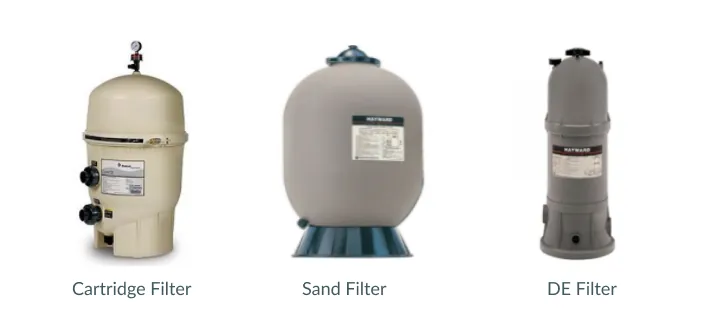
A pool ionizer system is usually considered by owners who are tired of seeing algae return after warm weather, heavy swimming, rain, debris, or a stretch of inconsistent circulation. It can be tempting to look for a single device that ends the problem. The better starting point is more practical: find out whether the pool is circulating well, filtering properly, and being asked to deal with an issue that has a clear cause.
Aquastaser's Ionizer is an add-on option for owners who want extra help with recurring algae concerns. It belongs in a conversation about the whole system, not a promise that one more piece of equipment can overlook a dirty filter, blocked return, weak pump, or water condition that needs immediate attention. A stronger plan starts with the pool you have and the pattern you want to change.
An ionizer conversation is useful when algae or repeated treatment cycles are a pattern, not simply because one test strip looks unusual.
Water still needs to move through a working pump, clean filter, and open return lines. That foundation matters before adding any equipment.
Pool size, water history, plumbing, pump flow, filtration, and current conditions should shape the recommendation, not a one-size-fits-all promise.
How it fits
Pool water has to move before any treatment approach can do useful work. The pump draws water from the pool. The filter catches debris and particles. Return plumbing then carries filtered water back to the pool. When a pool struggles with algae, those basics deserve attention first because they can be the reason ordinary treatment never seems to hold.
Aquastaser is designed for the return line after filtration. The Ionizer can be discussed as a companion option when recurring algae is part of the larger picture. That distinction matters. The core system is a return-line treatment approach, while the add-on is for a specific concern. Support can help separate a pool that needs cleaning or repair today from a pool that is ready for a more deliberate long-term plan.
Check that the pump, filter, skimmer, and return flow are working normally.
Look at the recent pattern: algae, debris, water changes, and previous treatments.
Confirm the pool is stable enough for an equipment decision.
Discuss whether Aquastaser and an ionizer add-on fit the pool's needs.
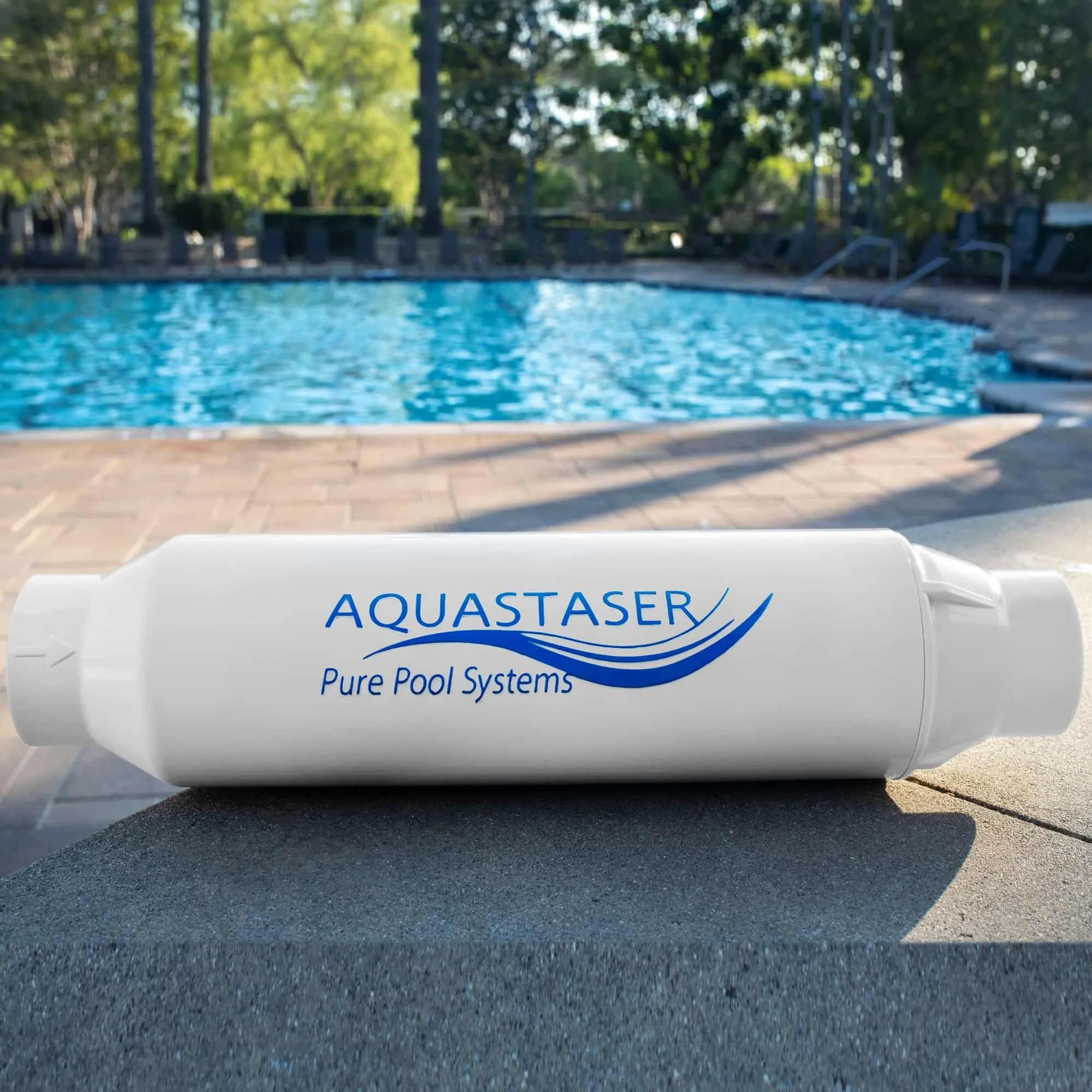
The core Aquastaser device is designed to join a residential pool's return line after filtration.
Know the limits
Some pool problems should be solved before any system purchase. If the water may be contaminated, swimmers have serious symptoms, equipment is damaged, plumbing is leaking, or the pool is unsafe to use, pause the equipment conversation. Those situations call for qualified help and an immediate response, not a long-term treatment decision.
Algae deserves the same clear thinking. One green spell after a storm, a busy weekend, or a missed cleaning can point to a short-term maintenance problem. Repeated algae despite normal attention may be a reason to talk about the broader setup. The aim is to understand what keeps happening, then choose the right next step instead of adding products blindly.
That makes the support conversation more useful. Bring details about the pool's size, filter type and condition, pump flow, return-line access, recent algae history, existing saltwater equipment, and what you have already tried. The goal is not to force every pool into the same solution. It is to help a qualified owner make a clear, informed choice.
Talk Through My PoolA residential pool or spa with working circulation
A filter that is clean and operating normally
Open return plumbing and reliable pump flow
A recurring algae pattern worth addressing
A support conversation before adding equipment
A complete approach
Pool owners often end up with a shelf of solutions because each product was bought for a moment, not a clear plan. A pool ionizer should be evaluated differently. It may be useful when algae has become a recurring concern, but it is not meant to replace responsible cleaning, testing, filtration, or circulation.
For homeowners who are also tired of a chlorine-centered routine, Aquastaser offers a broader return-line treatment direction. The Ionizer is a companion option to discuss when the pool's algae history calls for additional support. This keeps the decision focused: solve the recurring concern while protecting the equipment and water-care habits the pool still needs.
Explore the Chlorine-Free System
What owners value
The right equipment choice should make pool ownership feel more manageable, not add another mystery to the equipment pad. Aquastaser customers describe clearer water and a more comfortable swim experience, while the support team helps owners ask the practical questions before they commit.
"When we bought our home the pool had a saltwater system. I was confused when we found out it still needed tons of chemicals and pool shock. We found the Aquastaser, and our family now swims in 100% natural and safe pool water."
Rachael C."After years of needing to add acid, stabilizer and chemicals to our pool, we now let the Aquastaser do all the work. It balances our pH and kills the bad stuff in our pool water, without compromising our health."
Chantal M."Amazing how this device works with no chemicals. My kids have a chlorine allergy and also love swimming. When we switched to the Aquastaser I could not believe how they are now able to swim with no runny eyes or irritation after."
Sharon V.Before you decide
Share the details that make an ionizer conversation useful: pool size, pump flow, filter condition, return-line access, algae history, existing saltwater equipment, and any recent water changes. Aquastaser support can help you decide whether an added ionizer belongs in the plan or whether the pool needs a different next step first.
Frequently asked questions
A pool ionizer system uses an electrical process to introduce metal ions into pool water. It is generally used as one part of an overall pool-care approach, often for owners concerned about recurring algae. It does not replace sound circulation, filtration, cleaning, or a clear understanding of the pool's water condition.
No. The pump moves water, the filter removes debris and particles, and the pool still needs routine cleaning. An ionizer is an added treatment option, not a substitute for the equipment that keeps water circulating and clear.
No. Leaves, debris, filter condition, pump flow, and water testing still matter. An ionizer can be part of a longer-term water-care plan, but it cannot make a neglected or unsafe pool ready for swimming.
Aquastaser's Ionizer is an add-on option for owners who want extra help with recurring algae concerns alongside the core return-line treatment system. Support can help assess the pool's history, circulation, filter condition, plumbing, and current water condition before recommending a direction.
No. A green pool, suspected contamination event, unsafe water condition, broken equipment, or serious swimmer symptoms should be handled first. Get the pool stable, then decide whether a long-term equipment change is a good fit.
Real support
Pool size, plumbing, saltwater replacement, algae, safety: these are normal questions. Ask them before ordering.